The $5 Billion Future: Why Volumetric Video is the Next Big Thing
Imagine attending a concert where the artist performs right beside themselves, a photorealistic digital twin moving in perfect sync. This wasn't a futuristic dream but a reality in 2019, when Madonna captivated audiences at the Billboard Music Awards with a groundbreaking performance featuring multiple avatars of herself. This spectacle wasn't magic; it was an early, high-profile demonstration of volumetric video, a technology rapidly emerging as the next frontier in digital content creation and consumption.
Volumetric video is poised to redefine how we interact with digital worlds, bridging the gap between the physical and virtual with unprecedented realism. Its impact is so profound that market analysts predict the volumetric video sector will approach a staggering $5 billion by 2026 – and even those figures are likely conservative given the rapid pace of technological innovation and adoption across diverse industries.
What Exactly is Volumetric Video? A New Dimension of Visuals
At its core, volumetric video represents a revolutionary leap beyond traditional, flat video formats. Instead of capturing a two-dimensional image, volumetric capture uses an array of sophisticated cameras and depth sensors to record a subject from multiple angles simultaneously. This process creates a "volume" of data, generating a full 3D digital model of the performance, person, or object.
Through advanced post-production, this raw data is meticulously processed into a volumetric video file. The result is a dynamic, photorealistic digital asset that can be viewed from any angle, offering true depth, accurate color, and realistic lighting. Unlike conventional video, which dictates a fixed perspective, volumetric video grants the viewer unprecedented control, allowing them to literally walk around a performance, examine a product from every side, or even step into a scene, making the experience profoundly more immersive across compatible platforms, including mobile devices, augmented reality (AR) headsets, and virtual reality (VR) environments.
The Powerhouse Behind the Magic: The Volumetric Video Capture Studio
Creating these lifelike, interactive digital assets isn't a simple point-and-shoot process. It requires specialized environments and highly skilled expertise. This is where the volumetric video capture studio becomes the critical hub for innovation.
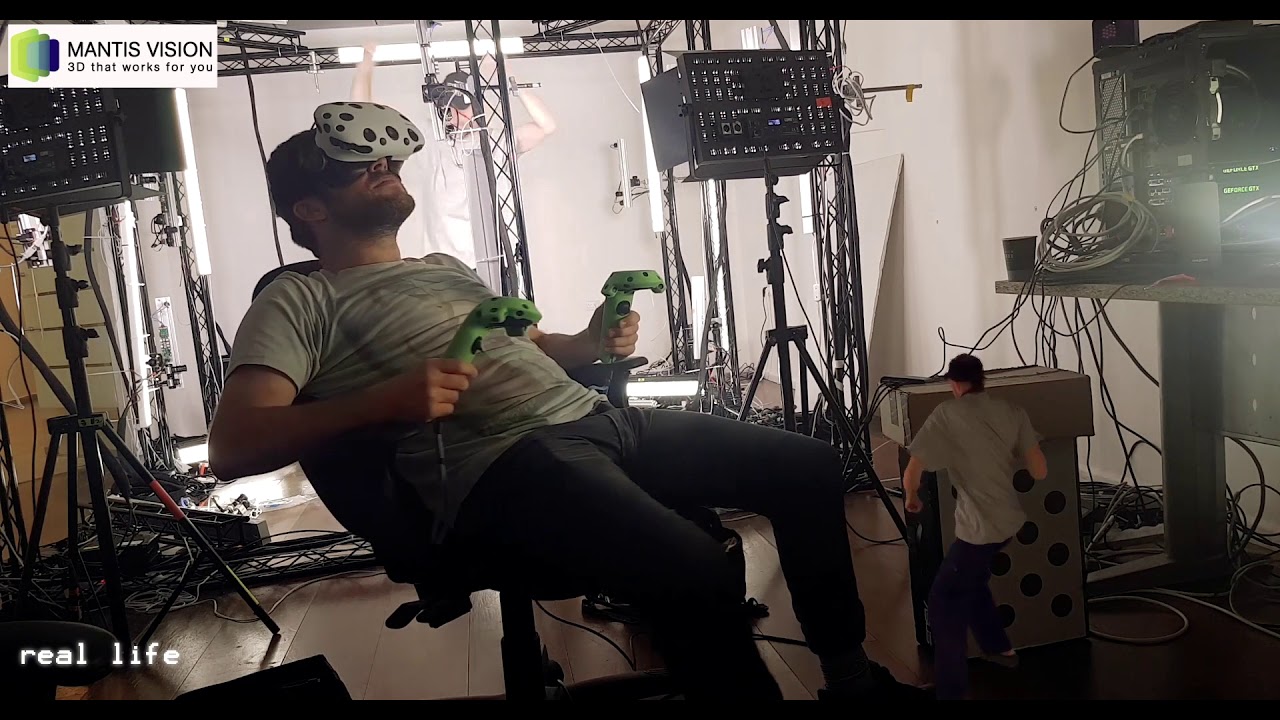
A dedicated volumetric video capture studio is a meticulously engineered space, often featuring a circular array of dozens, sometimes hundreds, of high-resolution cameras and infrared sensors. These studios are designed to precisely track and record every nuance of a subject's movement, expression, and form within a defined capture volume. The sheer volume of data generated during a single session is immense, requiring robust computing power and advanced software to process and reconstruct into a cohesive 3D model.
Leading studios, like Metastage, exemplify the caliber of expertise required. With a track record of over 250 award-winning projects, these facilities are staffed by interdisciplinary teams of engineers, 3D artists, lighting technicians, and data specialists. They don't just record; they meticulously calibrate, illuminate, process, and refine the raw volumetric data, ensuring the final output is a photorealistic digital double that retains the essence and nuance of the original performance. This commitment to quality and realism is paramount, as the utility of volumetric video often hinges on its ability to truly replicate the human element.
For brands and creators aiming for cutting-edge experiences, partnering with a professional volumetric video capture studio is essential. These facilities provide the infrastructure, technology, and human expertise to transform ambitious ideas into tangible, high-quality volumetric content, ensuring the resulting digital assets are ready for deployment across a wide array of immersive platforms.
Unlocking a Multitude of Industries: Beyond Entertainment and Holograms
While Madonna’s performance offered a glimpse into volumetric video’s entertainment potential, its applications stretch far beyond holograms and live shows. This technology is poised to revolutionize how we learn, shop, communicate, and create:
- Immersive Entertainment & Sports: Imagine not just watching your favorite band, but virtually standing on stage with them, controlling your viewpoint. Or, for sports fans, experiencing the biggest game from any angle on the field, bringing you closer to the action than ever before. Volumetric video delivers unparalleled engagement, making passive viewing an active, personalized experience.
- Revolutionizing Training & Education (XR Training): One of the most impactful applications is in Extended Reality (XR) training. Unlike traditional simulations that rely on animated characters, volumetric video allows for the capture of real subject matter experts (SMEs) or highly trained actors performing specific tasks. This enables nuanced, realistic training scenarios where trainees can interact with lifelike digital instructors, receiving authentic feedback and learning from subtle body language and interactions that animated figures simply cannot replicate. Think medical procedures, complex industrial operations, or high-stakes tactical training – where realism can mean the difference between success and failure.
- E-commerce Transformation: The retail industry is set for a seismic shift. Instead of static product images or flat videos, potential shoppers can view clothing on a real person in motion, from every angle, through an AR overlay in their own living room. For larger items like furniture or appliances, volumetric models allow customers to virtually place them in their homes, drastically improving purchase confidence and reducing returns.
- Next-Generation Communication & Collaboration: Traditional video conferencing often feels flat and impersonal. Volumetric video promises a future where you can stand in front of a full-body digital avatar of a colleague, walk around them, and feel a true sense of presence in a virtual meeting. This transforms remote collaboration, fostering deeper connection and engagement.
- VFX & Game Development: For character creation in visual effects and video games, volumetric capture offers an unprecedented level of realism. Developers can capture real performances and seamlessly integrate them into digital environments, leading to more believable characters and more immersive game worlds.
The beauty of volumetric video lies in its versatility. It's not just about creating cool visuals; it's about solving real-world problems, enhancing user experiences, and opening up entirely new business models.
Why Now? The Technology Driving the Revolution
The acceleration of volumetric video isn't reliant on futuristic, unproven technologies. In fact, its current boom is fueled by the convergence of several readily available and rapidly advancing innovations:
- Existing Camera and Sensor Technology: The foundation of volumetric capture leverages mature, high-resolution camera systems and depth-sensing technologies that have seen significant advancements in recent years, making them more powerful and cost-effective.
- Improved Processing Power: Modern GPUs and cloud computing capabilities can handle the immense data processing demands of volumetric video, transforming raw sensor data into refined 3D assets in reasonable timeframes.
- Efficient Streaming Software: Innovations like Arcturus’ HoloStream demonstrate that full volumetric videos, even without a cap on length, can be adapted to work efficiently even under unstable bandwidths, making them accessible to a wider audience.
- The 5G Revolution: The widespread rollout of 5G networks is a game-changer. Its high bandwidth and low latency are crucial for seamless consumption of large volumetric video files, enabling real-time, interactive experiences on mobile devices and other platforms without frustrating delays.
- Democratization of Capture: While professional volumetric video capture studios remain essential for high-fidelity, large-scale projects, the emergence of consumer-grade LiDAR cameras (now found in many smartphones) hints at a future where even individuals might be able to capture basic volumetric data, fostering a new wave of creativity and accessibility.
In essence, volumetric video is the natural evolution of digital storytelling for an increasingly connected and immersive world. It's a foundational technology for the nascent Metaverse, allowing for the seamless integration of real people, objects, and performances into persistent virtual environments.
Conclusion
Volumetric video is far more than a technological novelty; it's a paradigm shift in how we experience digital content. From empowering performers like Madonna to creating highly effective training simulations and transforming online shopping, its potential is vast and largely untapped. The projected $5 billion market valuation by 2026 underscores not just its financial promise, but its inevitable role in shaping our digital future. As technology continues to evolve and content creators harness its power, volumetric video will undoubtedly become a cornerstone of immersive experiences, making the digital world more tangible, interactive, and human than ever before.